Don’t Let Pain Below Your Kneecap Interfere with Everyday Life
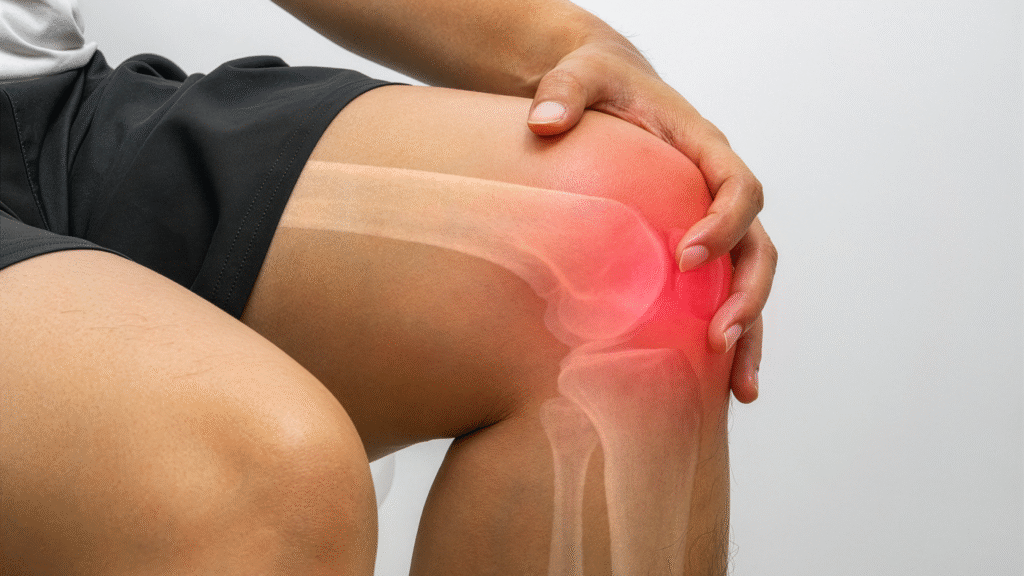
Pain just below the kneecap is one of the most common causes of knee pain in active adults, athletes, and people whose jobs require frequent kneeling, climbing, lifting, or repetitive movement. While many people assume it will simply “work itself out,” ongoing pain may be a sign of a patellar tendon injury, often called patellar tendinitis or jumper’s knee.
At Granite Orthopaedics, our team of experienced orthopedic providers evaluates and treats every type of knee injury—from mild overuse conditions to complex tendon injuries. Our goal is simple: provide a thorough evaluation, explain every available treatment option, and help you return to the activities you enjoy without pressure to choose surgery.
Whether your treatment involves activity modification, physical therapy, laser therapy, injections, or surgery in rare cases, we’ll create a treatment plan tailored specifically to you.
What Is a Patellar Tendon Injury?
The patellar tendon connects your kneecap (patella) to your shinbone (tibia). Every time you walk, run, jump, squat, climb stairs, or stand from a seated position, this tendon helps straighten your knee.
Over time, repetitive stress can create tiny, microscopic tears within the tendon. If the tendon doesn’t have enough time to recover, inflammation and degeneration can develop, leading to persistent pain and weakness. This condition is commonly known as:
- Patellar tendinitis
- Patellar tendonitis
- Patellar tendinopathy
- Jumper’s knee
Although athletes frequently develop this injury, anyone can experience it—including construction workers, hikers, runners, gardeners, and people who spend long hours on their feet.
Common Symptoms of Patellar Tendon Injury
Symptoms often develop gradually rather than after one specific injury.
You may notice:
- Pain directly below the kneecap
- Tenderness when touching the tendon
- Pain when climbing or descending stairs
- Knee pain while squatting or kneeling
- Stiffness after sitting for long periods
- Pain during running or jumping
- Weakness when pushing off your leg
- Discomfort that worsens with activity but improves with rest
Without treatment, symptoms often become more frequent and more painful over time.
What Causes Patellar Tendon Injuries?
Most patellar tendon injuries are caused by repetitive overuse, not a single traumatic event.
Common causes include:
- Repeated jumping or landing
- Running, especially hills or sprints
- Sudden increases in training intensity
- Heavy lifting
- Frequent squatting
- Jobs requiring repetitive kneeling
- Tight quadriceps or hamstrings
- Muscle weakness or imbalance
- Poor movement mechanics
Athletes who play basketball, volleyball, soccer, football, gymnastics, and track are particularly susceptible, but non-athletes develop this condition every day.
Why Early Evaluation Matters
Many people continue exercising or working through knee pain, assuming they’ll “stretch it out.”
Unfortunately, continuing to overload an injured tendon can allow additional microscopic damage to accumulate.
Seeking an early orthopedic evaluation can help:
- Identify the true cause of your knee pain
- Rule out more serious injuries such as meniscus tears or ligament injuries
- Begin treatment before symptoms become chronic
- Reduce downtime from work or sports
- Improve recovery time
- Lower the risk of partial or complete tendon rupture in severe cases
The sooner treatment begins, the easier it often is to restore normal function and return to activity safely.
How Is a Patellar Tendon Injury Diagnosed?
Your orthopedic provider will perform a detailed examination of your knee and discuss:
- When the pain began
- Activities that worsen your symptoms
- Previous injuries
- Work and recreational activities
- Your activity goals
If necessary, imaging studies such as X-rays, ultrasound, or MRI may be recommended to evaluate the tendon and rule out other causes of knee pain.
Treatment Options at Granite Orthopaedics
Most patellar tendon injuries improve without surgery when treated appropriately.
Depending on your condition, treatment may include:
Activity Modification and Rest
Reducing repetitive stress allows the tendon to begin healing while avoiding further injury.
Reducing repetitive stress allows the tendon time to heal while preventing additional injury.
Your provider may recommend temporarily avoiding high-impact activities while maintaining safe movement.
Ice Therapy
Applying ice after activity can help decrease pain and inflammation during the early stages of recovery.
Physical Therapy
Targeted strengthening and stretching exercises improve tendon health, restore movement, and help prevent future injuries.
Laser Therapy
Granite Orthopaedics also offers FDA-cleared Class IV Laser Therapy as part of a comprehensive treatment approach for appropriate patients.
Laser therapy may help:
- Reduce inflammation
- Improve circulation
- Decrease pain
- Promote tissue healing
- Support recovery alongside physical therapy and other conservative treatments
Your provider can determine whether laser therapy may benefit your specific condition.
Bracing or Support
Some patients benefit from temporary patellar tendon straps or supportive bracing during recovery.
Anti-inflammatory Medications
When appropriate, medications may help reduce discomfort while your tendon heals.
Advanced Treatments
If symptoms persist despite conservative care, additional treatment options—including regenerative medicine therapies or surgery in select cases—may be discussed. Surgery is generally reserved for severe tendon damage or tendon rupture.
You Don’t Have to Decide on Treatment During Your First Visit
One of the biggest concerns patients share is the fear that seeing an orthopedic specialist automatically means surgery.
At Granite Orthopaedics, that’s simply not our approach.
Our providers believe in educating patients first. During your consultation, we’ll explain:
- What’s causing your pain
- What your imaging shows
- All appropriate treatment options
- Expected recovery timelines
- Whether conservative treatment is likely to help
- When surgery may—or may not—be appropriate
Our goal is to help you make an informed decision that’s right for your lifestyle and goals.
Frequently Asked Questions
Get Answers About Your Knee Pain
Persistent knee pain doesn’t have to become your new normal.
The orthopedic specialists at Granite Orthopaedics are here to help you understand what’s causing your pain and guide you through every available treatment option—from conservative care and laser therapy to advanced surgical treatment when necessary.
If you’ve been living with pain below your kneecap, schedule a no-pressure consultation with our experienced team. Together, we’ll help you get back to moving with confidence.
Call Granite Orthopaedics today at 928-777-9950 or request an appointment online to explore your treatment options.