Have you noticed a lump on your hand or wrist that seems to come and go, causes discomfort, or becomes painful when bumped? You may be dealing with a ganglion cyst, one of the most common conditions affecting the hands and wrists.
While ganglion cysts are noncancerous, they can cause pain, weakness, limited motion, and difficulty performing everyday activities. Fortunately, effective treatment options are available, ranging from observation and aspiration to surgical removal.
At Granite Orthopaedics in Prescott, Arizona, Dr. W. Lee Richardson and team frequently evaluate and treat ganglion cysts of the hand and wrist, helping patients find relief and return to the activities they enjoy.
What Is a Ganglion Cyst?
A ganglion cyst is a fluid-filled sac that develops near a joint or tendon. The cyst contains a thick, jelly-like fluid similar to the fluid naturally found within joints.
Ganglion cysts can vary in size and may become larger or smaller over time. Some remain relatively stable, while others fluctuate depending on activity levels and joint movement.
Although the exact cause is not always known, ganglion cysts are believed to develop when fluid escapes from a joint capsule or tendon sheath and collects within a small sac.
The condition can affect people of all ages but is most seen in adults between the ages of 20 and 50.
Common Locations for Ganglion Cysts
Ganglion cysts can develop in several areas throughout the body, but they are most frequently found in the hands and wrists.
Ganglion Cysts on the Back of the Wrist
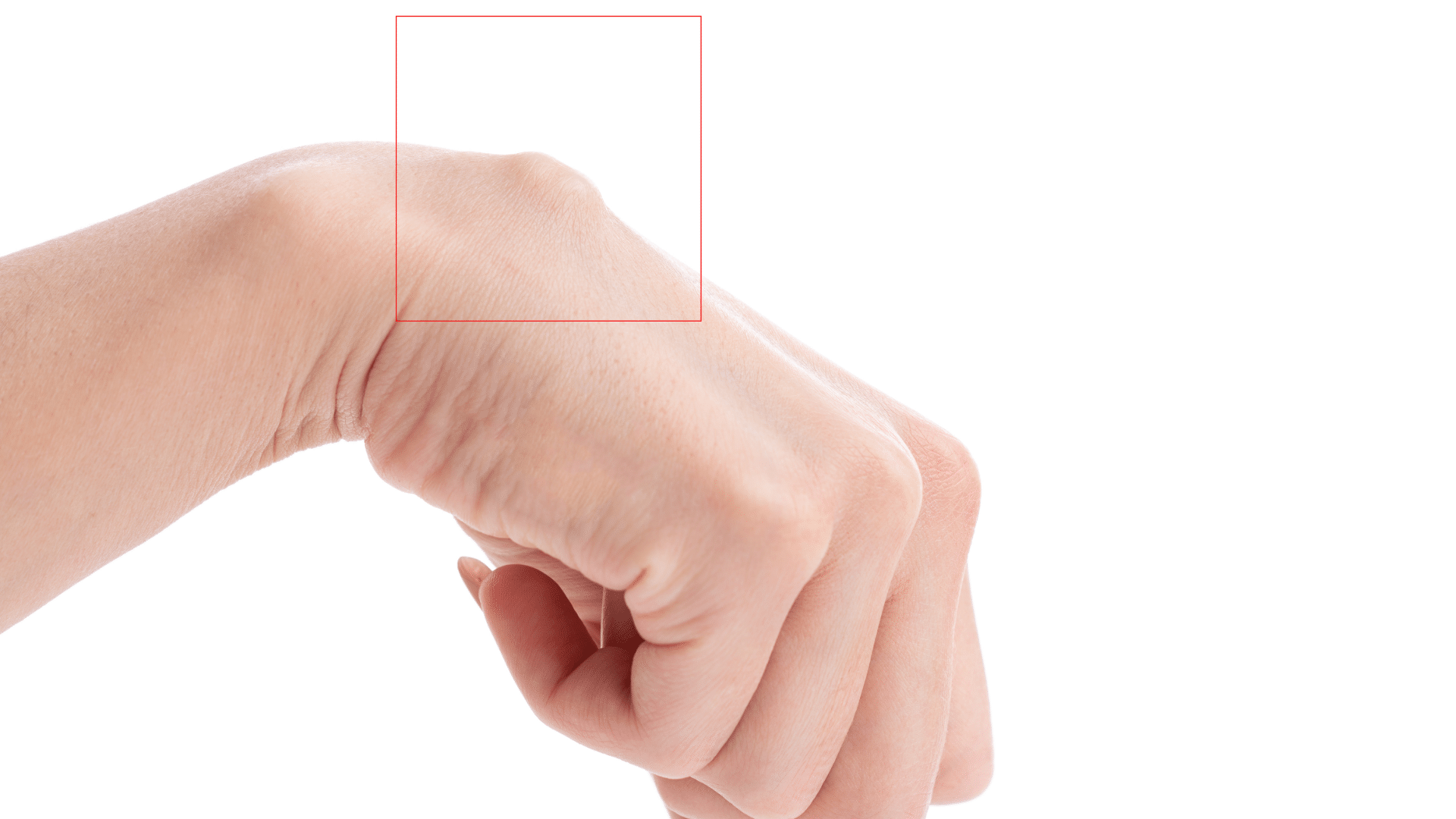
The most common type of ganglion cyst develops on the back (dorsal side) of the wrist. These cysts often become more noticeable when the wrist is bent forward.
Ganglion Cysts on the Palm Side of the Wrist
Known as volar wrist ganglion cysts, these occur on the palm side of the wrist and may develop near important nerves and blood vessels.
Finger Ganglion Cysts
Ganglion cysts may also form near the joints of the fingers. These are sometimes called mucous cysts and often develop close to the fingernail.
Hand Ganglion Cysts
Less commonly, ganglion cysts can form within the palm or along tendon sheaths in the hand.
Symptoms of a Ganglion Cyst
Not every ganglion cyst causes symptoms. Some patients notice only a visible lump, while others experience significant discomfort.
Common symptoms include:
- A visible lump on the hand or wrist
- Pain around the affected joint
- Tenderness when pressure is applied
- Pain with wrist movement
- Weakness or reduced grip strength
- Limited range of motion
- Tingling or numbness if nearby nerves are compressed
- Difficulty performing daily activities
Many patients are surprised by how sensitive a ganglion cyst can be when accidentally bumped. In some cases, even minor contact can cause sharp, radiating pain that travels into the hand, fingers, or forearm. This discomfort is often more noticeable when the cyst is located near nerves or other sensitive structures.
Symptoms may worsen with repetitive hand and wrist activities such as typing, lifting, gripping tools, playing sports, or performing manual labor.
What Happens If a Ganglion Cyst Goes Untreated?
Because ganglion cysts are benign, treatment is not always necessary. However, when symptoms are present, leaving the condition untreated can lead to ongoing discomfort and functional limitations.
Potential complications of an untreated ganglion cyst include:
- Chronic pain – pain may become more frequent during activities that place stress on the hand or wrist.
- Reduced Grip Strength – as discomfort increases, patients may notice weakness when lifting objects, opening containers, or performing everyday tasks.
- Limited Motion – larger cysts can interfere with normal joint movement and flexibility.
- Nerve Compression – a ganglion cyst may place pressure on nearby nerves, resulting in numbness, tingling, burning sensations, or weakness.
- Continued Growth – some cysts remain stable, while others gradually enlarge and become more noticeable or symptomatic.
Although ganglion cysts are not cancerous and generally do not cause permanent joint damage, persistent symptoms should be evaluated by a hand and wrist specialist.
How Are Ganglion Cysts Diagnosed?
At Granite Orthopaedics, Dr. W. Lee Richardson and team begin with a thorough evaluation to determine whether a lump is a ganglion cyst or another condition.
Diagnosis may include:
- Medical history review
- Physical examination
- Assessment of hand and wrist function
- X-rays to evaluate underlying joint conditions
- Ultrasound or MRI imaging when necessary
Proper diagnosis is important because not every lump in the hand or wrist is a ganglion cyst.
Treatment Options for Ganglion Cysts
Treatment recommendations depend on the size of the cyst, the severity of symptoms, and how much it affects daily life.
Observation
If the cyst is painless and not causing functional limitations, monitoring may be recommended.
Some ganglion cysts remain unchanged for years, while others may shrink or disappear without intervention.
Activity Modification and Bracing
Reducing activities that aggravate symptoms may help minimize discomfort. In some cases, a wrist brace can provide temporary support and symptom relief.
Aspiration
Aspiration involves using a needle to drain fluid from the cyst.
While this procedure can relieve symptoms and may be an appropriate option for some patients, recurrence is relatively common because the cyst’s connection to the joint often remains intact. In fact, studies have shown that ganglion cysts return approximately 50% of the time after aspiration, making it a less definitive treatment option for many patients.
Surgical Removal
For painful, recurrent, enlarging, or function-limiting ganglion cysts, surgical excision may be the best treatment option.
During surgery, the cyst and its stalk are removed to help reduce the likelihood of recurrence.
Most ganglion cyst removal procedures are performed under local anesthesia, allowing patients to remain comfortable while avoiding the recovery associated with general anesthesia. In rare situations, general anesthesia may be recommended if the cyst is located near important structures such as an artery or if the procedure is expected to be more complex.
While no treatment can guarantee a ganglion cyst will never return, surgical excision offers significantly lower recurrence rates than aspiration. Even after successful surgery, ganglion cysts recur in approximately 20% of patients.
Dr. Richardson carefully evaluates each patient’s unique situation to determine the most appropriate treatment plan based on symptom severity, cyst location, and the patient’s goals.
Ganglion Cyst Surgery Recovery: What to Expect
One of the most common concerns patients have is how long recovery will take after ganglion cyst surgery.
Fortunately, recovery is typically straightforward. Because ganglion cyst removal is generally performed as an outpatient procedure, patients return home the same day after surgery.
The Day of Surgery
After surgery, patients receive a detailed packet of post-operative instructions outlining wound care, activity restrictions, pain management recommendations, and signs of potential complications.
These instructions are designed to help ensure a smooth recovery and successful healing process.
The First Two Weeks
The original surgical bandage should remain clean and dry during the first two weeks after surgery.
Protecting the incision site is important for reducing infection risk and promoting proper wound healing. Mild swelling, soreness, and stiffness are common during this period and typically improve as healing progresses.
Your Two-Week Post-Operative Appointment
Approximately two weeks after surgery, patients return to Granite Orthopaedics for their first follow-up visit.
During this appointment, Dr. Richardson and team evaluate the surgical site, assess healing progress, and address any questions or concerns. The original dressing is removed, the incision is examined, and new bandaging is applied as needed.
Patients are also provided guidance regarding activity progression and expectations for the remainder of recovery.
Returning to Daily Activities
Many patients can resume light activities relatively quickly following surgery. However, recovery timelines vary depending on the location of the cyst, the extent of the procedure, and the physical demands of work and recreational activities.
Patients with physically demanding jobs may require additional healing time before returning to unrestricted activity.
Your Final Six-Week Follow-Up Appointment
A final post-operative appointment is typically scheduled approximately six weeks after surgery.
At this visit, healing, motion, strength, and overall function are evaluated. For most patients, this marks the completion of routine post-operative care and a return to normal daily activities.
Long-Term Outcomes
Most patients experience significant improvement in pain and function following ganglion cyst removal. While recurrence is possible with any treatment, surgical excision generally offers the lowest recurrence rates compared to non-surgical options.
When Should You See a Hand and Wrist Specialist?
You should schedule an evaluation if you experience:
- A persistent lump on your hand or wrist
- Pain that interferes with daily activities
- Weakness or loss of grip strength
- Tingling or numbness
- Reduced wrist motion
- A cyst that continues to grow
- Recurring symptoms after previous treatment
Early evaluation can help determine the best course of treatment and prevent symptoms from worsening over time.
Expert Ganglion Cyst Treatment in Prescott, Arizona
If you’re experiencing a painful lump, wrist discomfort, weakness, or other symptoms associated with a ganglion cyst, the specialists at Granite Orthopaedics can help.
Dr. W. Lee Richardson and team frequently diagnose and treat ganglion cysts affecting the hands and wrists. Whether conservative treatment or surgical removal is recommended, our goal is to help patients regain comfort, function, and confidence in their daily activities.
If you have questions about ganglion cyst treatment or would like to schedule an evaluation, contact Granite Orthopaedics today.